
A Week in Shanghai: Discovering the City Through Landmarks, Local Cuisine, and Street Photography
Shanghai is a city that blends the old and the new in a way few places can. During my one-week trip, I explored its iconic landmarks, wandered through historic neighborhoods, and savored local dishes that tell stories of tradition and innovation. Armed with my Leica M11, M6, and Rolleiflex 3.5E cameras, I captured the city’s spirit through street photography, making memories that go beyond the usual tourist snapshots.

Exploring Shanghai’s Famous Streets and Skylines
My first stop was Nanjing Road, Shanghai’s premier shopping street. The energy here is palpable, with neon signs and crowds moving in every direction. It’s a great place to practice street photography, especially with the Leica M6, which handles low light beautifully. The mix of modern storefronts and historic architecture creates a unique backdrop.
Next, I headed to The Bund. This waterfront promenade offers a stunning view of the cityscape, especially at night. The contrast between the colonial-era buildings on one side and the futuristic skyscrapers across the Huangpu River is striking. I spent several evenings here, capturing long exposures with my Rolleiflex 3.5E to highlight the glowing city lights and the river’s reflections.
The Shanghai Tower and Oriental Pearl Tower are must-see landmarks. I took the elevator up Shanghai Tower to get a bird’s-eye view of the city. From there, the sprawling urban landscape stretched endlessly. The Oriental Pearl Tower’s unique design makes it a favorite subject for photography, especially during sunset when the sky paints it in warm hues.
Discovering Historic and Cultural Gems
Shanghai’s charm lies not only in its modernity but also in its rich history. I visited Yu Garden, a classical Chinese garden with winding paths, pavilions, and koi ponds. It’s a peaceful escape from the city’s hustle and a perfect spot for close-up shots of traditional architecture and nature.
Nearby, Jing’an Temple offered a glimpse into Shanghai’s spiritual side. The temple’s intricate carvings and serene atmosphere contrast with the busy streets outside. I used my Leica M11 here to capture the temple’s details with sharp clarity.
The neighborhoods of Xintiandi, French Concession, and Tianzifang are ideal for exploring Shanghai’s colonial past and artistic present. Xintiandi’s pedestrian streets are lined with restored Shikumen houses, now home to cafes and boutiques. The French Concession’s tree-lined avenues and historic villas invite slow walks and candid street photography. Tianzifang, with its narrow alleys and art studios, buzzes with creativity.

Unique Architecture and Hidden Corners
I also explored Wukang Mansion, an iconic Art Deco building that stands out in the French Concession. Its curved facade and vintage charm make it a favorite for photographers and architecture lovers.
Not far from there is 1933 Old Millfun, a former slaughterhouse turned creative space. The industrial design with its maze-like corridors and concrete textures offers a very different vibe from the rest of the city. It’s a playground for those who enjoy architectural photography and urban exploration.
Savoring Shanghai’s Local Flavors
No trip to Shanghai is complete without tasting its famous dishes. I indulged in char siu and roasted duck, both rich in flavor and perfectly cooked. The variety of dim sum amazed me, especially Xiao Long Bao, delicate soup dumplings that burst with broth in every bite.
One memorable meal was a bowl of beef soup with stretched noodles. The noodles were hand-pulled, chewy, and soaked in a savory broth. Another highlight was crab dumplings, a seasonal delicacy that combined sweetness and umami in a small package.
Street food stalls and local restaurants offered authentic experiences. I found that trying dishes recommended by locals led to the best meals. The food scene here is diverse, reflecting Shanghai’s role as a cultural crossroads.

Capturing Shanghai Through My Cameras
Using the Leica M11, M6, and Rolleiflex 3.5E allowed me to capture different moods and details of the city. The M11’s digital precision was perfect for vibrant street scenes, while the M6’s classic film look added nostalgia to quieter moments. The Rolleiflex, with its medium format film, gave me rich textures and depth, especially in architectural shots.
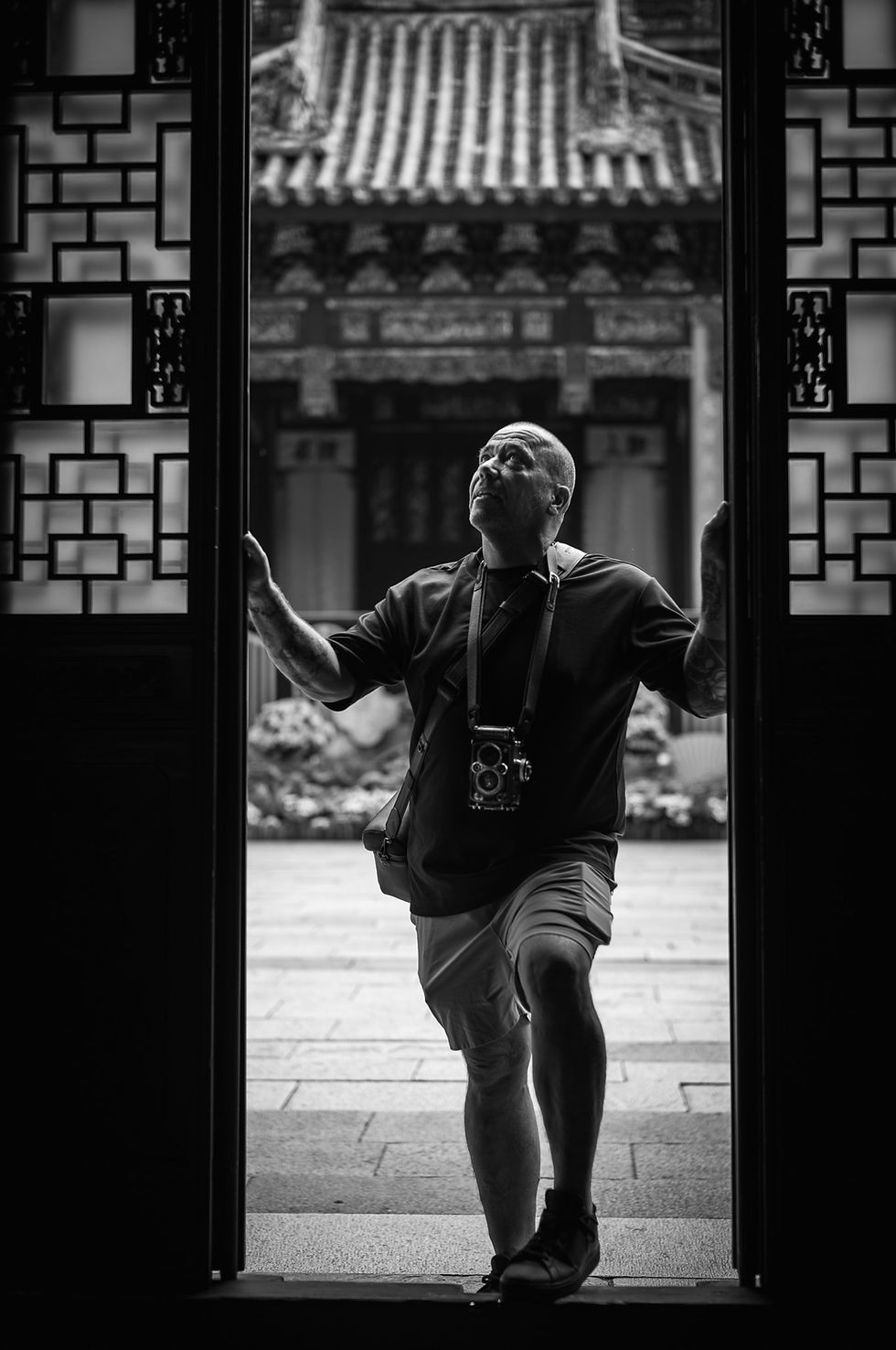
Street photography in Shanghai is rewarding because the city offers endless contrasts: old and new, calm and busy, traditional and modern. Each neighborhood has its own character, and the people add life to every frame.
Final Thoughts on a Week in Shanghai
Spending a week in Shanghai gave me a deep appreciation for its layers of history, culture, and innovation. From the bright lights of Nanjing Road to the quiet corners of Yu Garden, every place told a story. The food was a journey on its own, with flavors that lingered long after the meal.
For anyone visiting, I recommend taking time to explore beyond the main attractions. Bring a camera, try local dishes, and walk the streets without a strict plan. Shanghai reveals its true colors to those who look closely.


Comments